New study finds no evidence linking antidepressant use to mass shootings
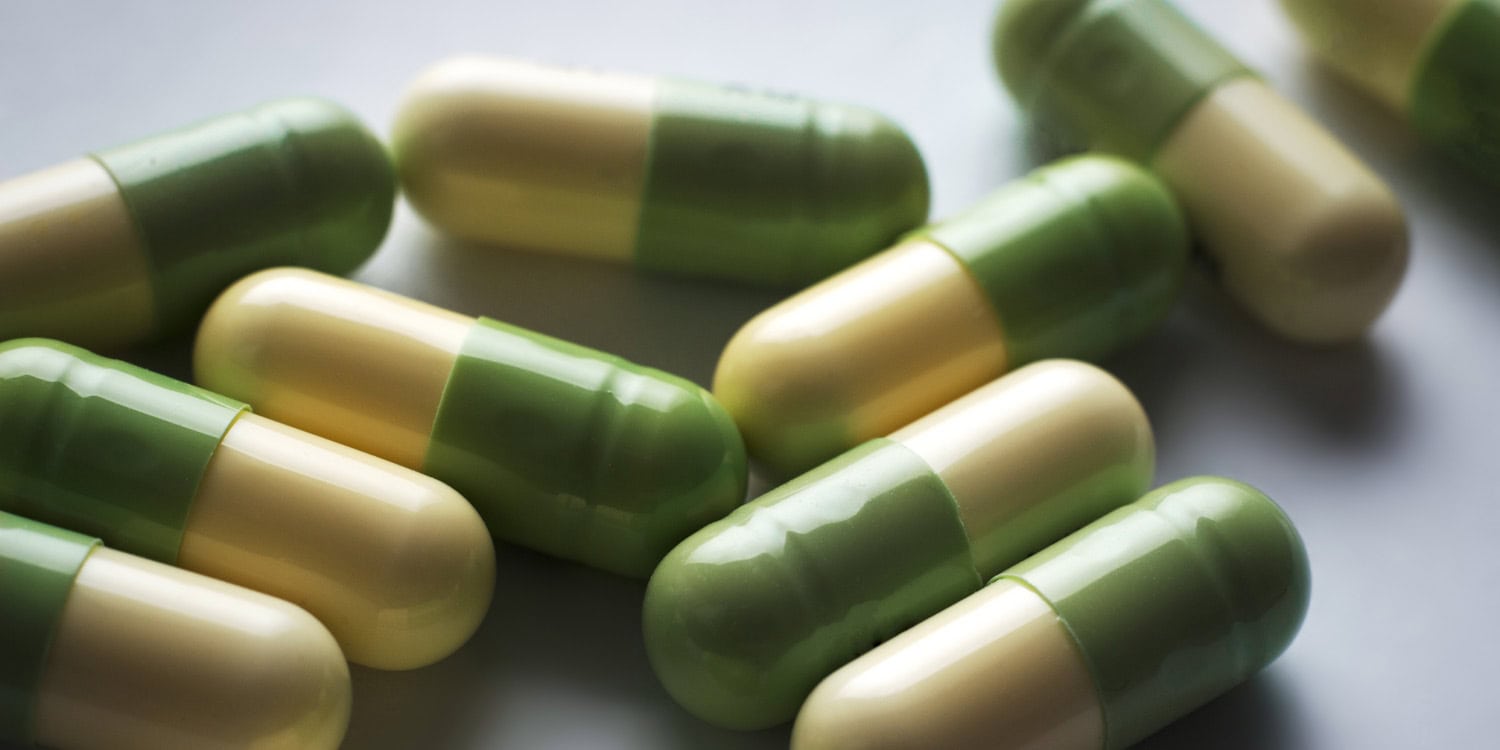
A new study published in Psychiatry Research provides evidence that antidepressant medications are not strongly associated with mass shootings in the United States.

by Wilborn P. Nobles III

Dallas students from an elementary school where at least 80% of students come from low-income families are projected to earn more than their high-income peers over a lifetime, thanks to education

A new study from UNC School of Medicine researchers, published this week in Neuron, reveals a unique look at how junk food rewires the brain’s memory hub—leading to risk of cognitive dysfunction.
It’s easy to think that a few minutes less sleep won’t make much difference. But research shows that, during adolescence, even a short change in bedtime can shape brain development and thinking skills. New findings from scientists in the UK

Red meat has long been associated with cardiovascular disease, the leading cause of death globally. But new research from South Dakota State University offers a new perspective.
According to Samitinjaya Dhakal, assistant professor in SDSU’s School
A big new study finds that diet, exercise and other lifestyle changes can significantly enhance the health of aging brains.
J Studios/Getty Images
hide caption
toggle caption
J Studios/Getty Images
Scientists have unveiled the strongest evidence yet that a combination
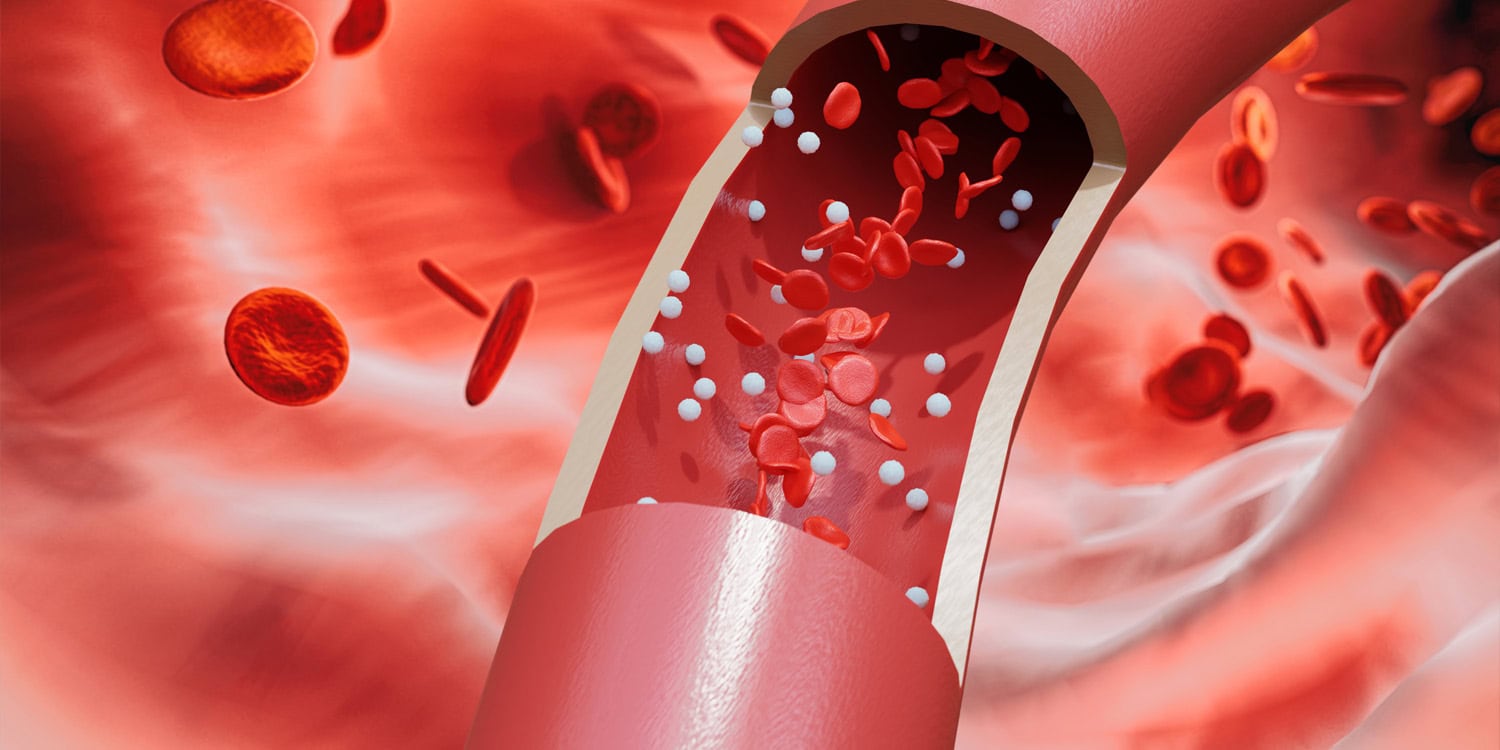
New research published in the Journal of Applied Physiology suggests that erythritol, a popular sugar substitute, may negatively affect the cells lining blood vessels in the brain. In laboratory experiments, researchers found that erythritol increased oxidative stress, disrupted nitric oxide
New evidence finds that the MIND diet lives up to its name, even when it is started later in life.
Middle-aged and older participants in a large, long-term study were less likely to develop Alzheimer’s disease or other types of
Why do some people recover from COVID-19 while others remain foggy, anxious and exhausted months later?
A small pilot study from Corewell Health looked into this question by comparing long COVID patients to people who had fully recovered.
Published in