
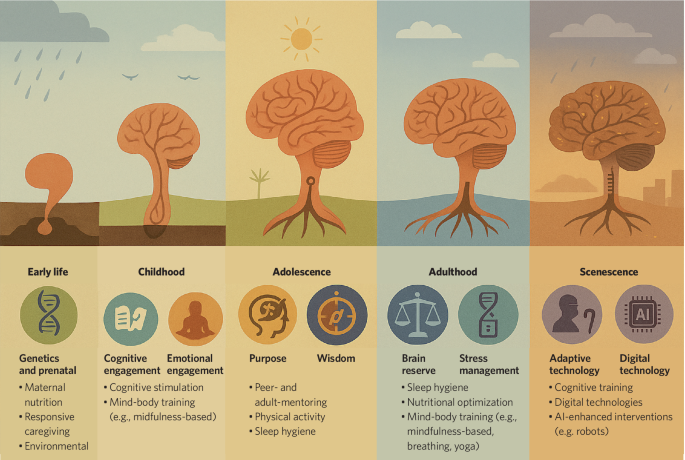
We used to think that it was only genetics and childhood experiences that shaped the health and function of our brains. As for the idea that what we eat could influence our grey matter? Well, that wasn’t even considered.
Fast

Menopause is linked to reductions in grey matter volume in key brain regions as well as increased levels of anxiety and depression and difficulties with sleep, according to new research from the University of Cambridge.
The study, published today in
Olshansky SJ, Passaro DJ, Hershow RC, Layden J, Carnes BA, Brody J, et al. A potential decline in life expectancy in the United States in the 21st century. N Engl J Med. 2005;352:1138–45.
Google Scholar
Yan BW,

We used to think that it was only genetics and childhood experiences that shaped the health and function of our brains. As for the idea that what we eat could influence our grey matter? Well, that wasn’t even considered.
Fast

Excessive sitting isn’t good for a person’s physical or mental health, but there’s a type of sedentary activity that may not shrink our brains or cost our cognition to the same extent.
A systematic review of 85 studies has now
:max_bytes(150000):strip_icc()/Cannot-Focus-You-Might-Be-Missing-This-Vitamin-c20b829fce324000b45bef1803327f54.jpg "Can’t Focus? You Might Be Missing This Vitamin")

For a long time, brain health felt abstract. Something you worried about later. Or something only neurologists talked about. That is changing fast. In 2026, brain health steps into the spotlight in a very practical way. Not as a fear-based

From physical fitness to doing puzzles to going out with friends, there’s a laundry list of advice out there to help protect our brains
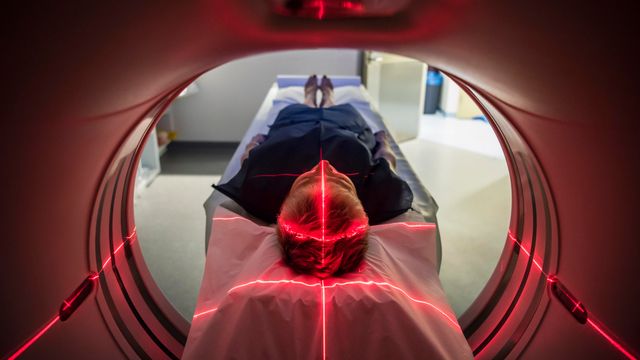
For many women, menopause brings changes in mood, sleep, and thinking, but what is happening in the brain is less clear.
Now, researchers at the University of Cambridge report that menopause is linked to reduced gray matter in brain regions
:max_bytes(150000):strip_icc()/Health-GettyImages-1292282356-787fbce7cb3843d29dd0bb8adf32e550.jpg "How Much Omega-3s Do You Really Need per Day for Heart and Brain Health?")
Found in foods and supplements, omega-3 fatty acids are a type of polyunsaturated fat that plays an important role in both heart and brain health. These good-for-you nutrients have been linked to lower inflammation, reduced blood pressure, and healthier blood
Introduction
How diet affects microbial activity
Microbial metabolites linking systems
Effects on the brain
Effects on the skin
Dietary patterns that support this axis
Clinical and future applications
Inflammatory biomarker tracking
References
Further reading
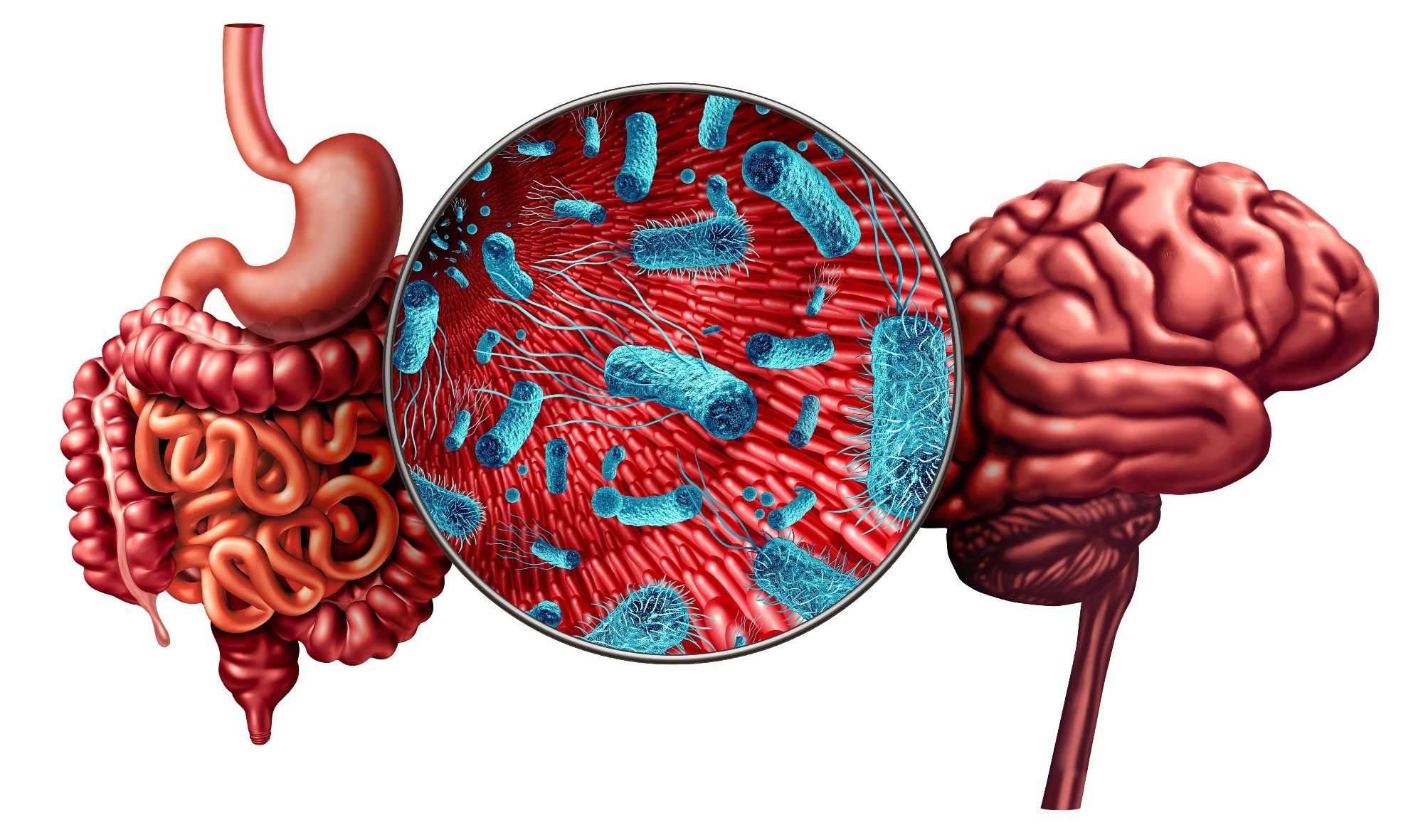
This article examines how diet-driven gut




:max_bytes(150000):strip_icc()/GettyImages-1644727881-73ef3c9679a6447faafc74eb0ff22f1e.jpg "6 Fish That Offer the Most Benefits for Your Heart and Brain")