
The risk of developing dementia later in life is strongly predicted by a person’s cognitive ability, functional limitations and physical health as many as 20 years before onset of the illness, according to a new RAND report.
Related new research
:max_bytes(150000):strip_icc()/The-1-Diet-for-Better-Cognitive-Health-According-to-a-New-Study-3c85871b876645d889a181232502c2b7.jpg "This Is the Best Diet for Cognitive Health")

The human brain is constantly adapting. Every skill learned and every habit formed reshapes neural pathways, strengthening connections and improving efficiency. This process, known as neuroplasticity, allows the brain to evolve in response to new challenges, enhancing memory, focus, and

Older adults who eat more organic food tend to have better cognitive performance, according to a new study published in the European Journal of Nutrition. The researchers also found that organic food consumption was associated with a reduced risk

Fears that smartphones, tablets and other devices could drive dementia in later life have been challenged by research that found lower rates of cognitive decline in older people who used the technology.
An analysis of published studies that looked at

The Feindel Brain and Mind Seminar Series will advance the vision of Dr. William Feindel (1918–2014), Former Director of the Neuro (1972–1984), to constantly bridge the clinical and research realms. The talks will highlight the latest advances and discoveries in

The risk of developing dementia later in life is strongly predicted by a person’s cognitive ability, functional limitations and physical health as many as 20 years before onset of the illness, according to a new RAND report.
Related new research
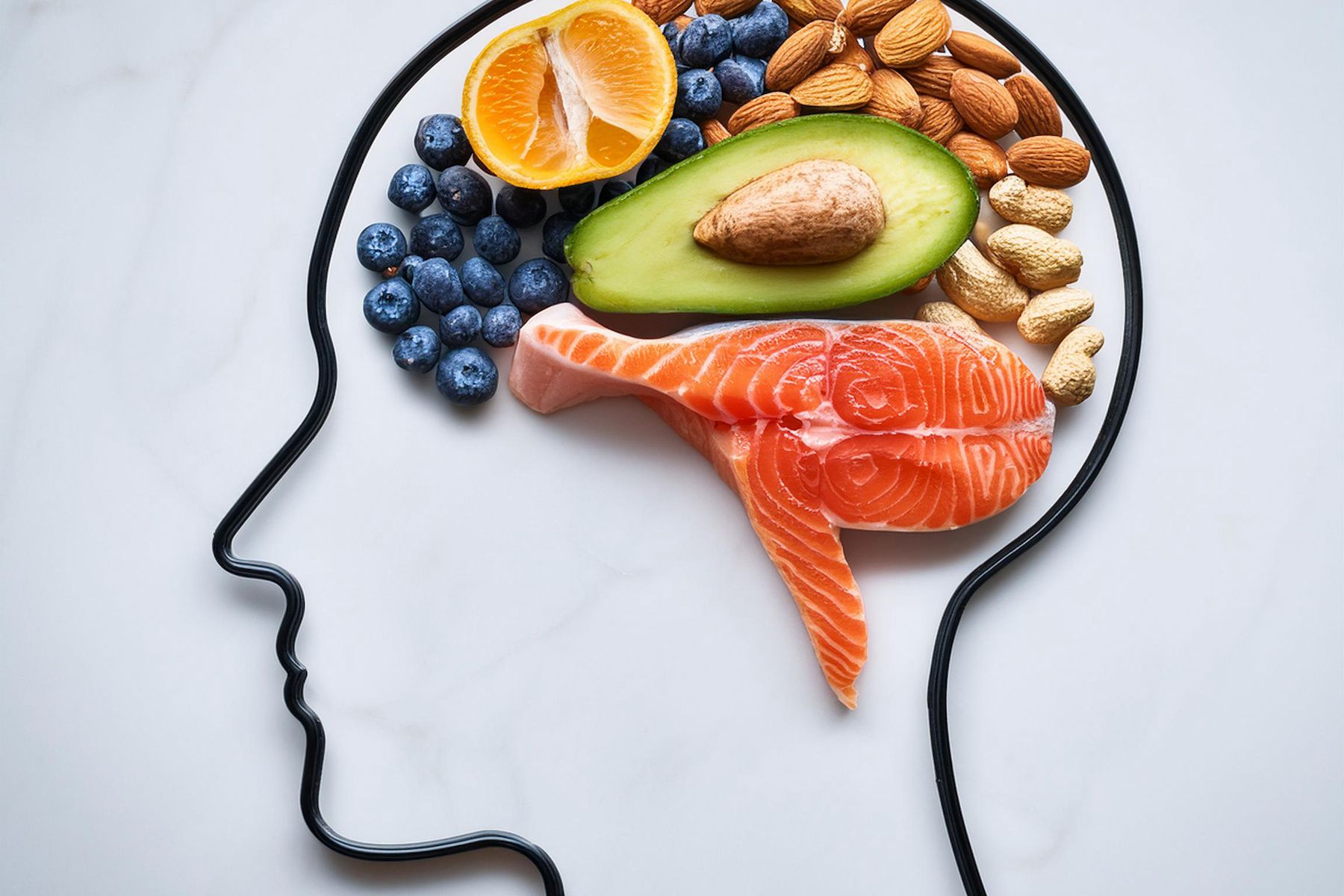
Taking advantage of healthier diets and aiming to lower waist-to-hip ratio (WHR) in midlife translated to greater brain and cognitive health later in life, according to data published in JAMA Network Open.1 For populations aged 48 to 70

The Intuition brain health study (NCT05058950) was a prospective, observational and decentralized study in which all activities were mediated via a custom research iPhone application (Study App) and there were no in-person visits. The study was sponsored by Biogen,

As dementia cases rise worldwide, scientists are digging deeper into how diet influences brain health. A growing body of research highlights the role vitamins and minerals play in preserving cognitive function.
Now, a groundbreaking study suggests that magnesium intake could

Ménard, C., Hodes, G. E. & Russo, S. J. Pathogenesis of depression: insights from human and rodent studies. Neuroscience 321, 138–162 (2016).
Google Scholar
Mitina, M., Young, S. & Zhavoronkov, A. Psychological aging, depression, and well-being.





:max_bytes(150000):strip_icc()/GettyImages-1644727881-73ef3c9679a6447faafc74eb0ff22f1e.jpg "6 Fish That Offer the Most Benefits for Your Heart and Brain")