

Many of us eat foods such as deli meat, instant soups, and snacks like packaged chips. But while these foods taste good and are easy to grab, they aren’t so great for our overall health.
“All these items are ultra-processed, which are high in sugar, salt, and fat and contain long lists of chemical ingredients,” says W. Taylor Kimberly, MD, PhD, chief of the division of neurocritical care at Massachusetts General Hospital in Boston. A 2024 review of 45 studies in The BMJ, for example, found that eating a diet high in ultra-processed foods raised the risk of 32 health conditions, including obesity, cancer, heart disease, and depression.
Now, new research also suggests that certain neurologic conditions—such as dementia, stroke, and Parkinson’s disease—can be added to that list.
What Are They?
The term “ultra-processed foods” comes from the NOVA food classification system, which researchers at the University of São Paulo in Brazil developed in 2009. They divided all foods into four main categories:
- Unprocessed or minimally processed foods: These include fruits, vegetables, meat, poultry, fish, eggs, milk, plain unsweetened yogurt, beans, oats, pasta, rice, nuts, and seeds. “They don’t have added ingredients and are still in their natural state,” says Wesley McWhorter, DrPH, MS, RDN, LD, CSCS, a spokesman for the Academy of Nutrition and Dietetics in Houston, TX.
- Processed ingredients: These items are added to other foods and include salt, sugar, honey, butter, vinegar, maple syrup, and vegetable oils.
- Processed foods: These are made by combining unprocessed and processed ingredients. Examples include canned vegetables, fruits, beans, meat, and fish; salted or sugared nuts; salted, cured, or smoked meats; fruits in syrup; cheese; and even fresh bread made with whole ingredients.
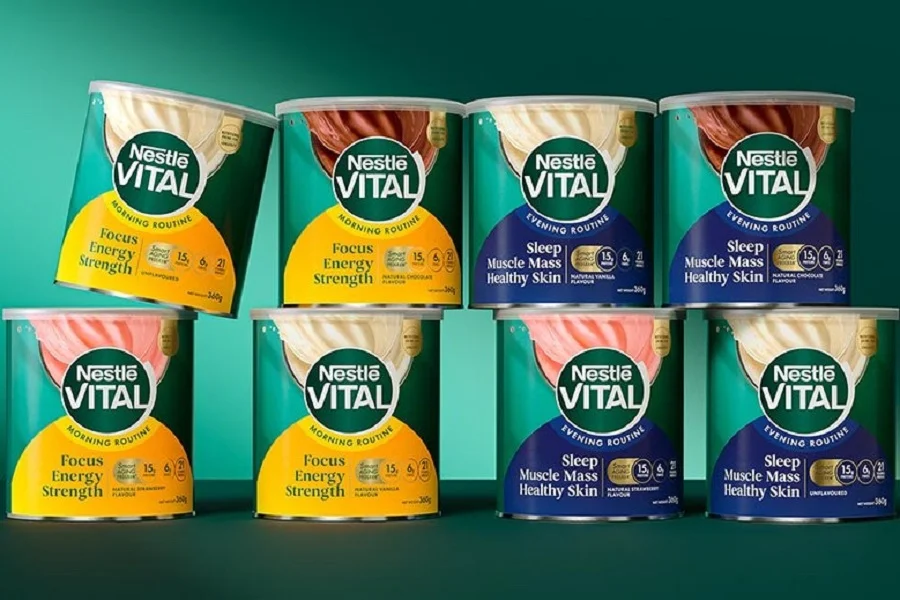
- Ultra-processed foods: Made mostly from substances extracted from food, such as fat, starch, added sugar, and hydrogenated fats, they also often contain additives like artificial colors and flavors. Examples include packaged snacks, meat, fish, and bread; soft drinks; canned soups; flavored yogurts; ready-to-heat meals; and even meal replacement shakes. This can include breakfast cereals and bars, although it depends on their ingredients.
Impact on Brain Health
Several recent studies have added to the growing body of research suggesting that ultra-processed foods may raise the risk of developing certain neurologic diseases. A 2022 study followed almost 11,000 Brazilian adults for over a decade and found an association between eating ultra-processed foods and poorer cognitive function. They were especially associated with a decline in executive function—the ability to pay attention, plan, make decisions, and execute goals—explains study author Natalia Gomes Goncalves, PhD, a postdoctoral researcher at the University of São Paulo Medical School. Researchers think that eating high amounts of ultra-processed foods may damage blood vessels in your brain, which may explain the association between poor vascular health and executive function, she adds.
A 2024 study, which Dr. Kimberly co-authored and published in Neurology®, found that people who ate high amounts of ultra-processed food were more likely to experience cognitive decline and/or a stroke, while those who ate mainly unprocessed foods had a reduced risk. “There are a few theories as to why this happens,” Dr. Kimberly says. “One is that ultra-processed foods contain chemicals, such as food additives, that damage the brain over time. They may also increase the production of beta amyloid protein in the brain, which is a type of protein that builds up in your blood vessels [and brain tissue] when you have Alzheimer’s.”
Another study, published in February 2025 in the Journal of Prevention of Alzheimer’s Disease, found that each daily serving of ultra-processed food raised the risk of Alzheimer’s disease by 13 percent in middle-aged adults—and more than 10 servings a day almost tripled the risk. “It didn’t raise risk in people over the age of 68, which indicates that your eating patterns may play a bigger role in midlife than in later life when it comes to Alzheimer’s disease,” says study author Sudha Seshadri, MD, a behavioral neurologist at the University of Texas Health Sciences Center in San Antonio.
People who ate at least 11 servings of ultra-processed foods daily were 2.5 times more likely to have at least three signs of Parkinson’s disease—such as depressive symptoms, body pain, trouble seeing colors, and loss of smell—than those who had less than three servings per day, according to a 2025 study published in Neurology®.
The reason for the association may lie with the gut microbiome, that mix of good and bad bacteria in your digestive tract, Dr. Kimberly says. “These bacteria release compounds in your bloodstream that may cause inflammation that impacts the neurologic system,” he points out. “The hope is that we can develop blood biomarkers to assess ultra-processed food intake and use them eventually as part of a personalized medicine plan to help people see if changing their diet improves their brain health.”
Adjusting Your Diet
Ridding your diet of ultra-processed foods can be tough, Dr. McWhorter says. No specific labelling requirements exist for them beyond just listing the food’s ingredients. To make things even more confusing, some foods, such as store-bought hummus, are technically ultra-processed but still considered good for you, he adds.
If you can’t afford healthier, unprocessed food, try to find ways to use ultra-processed foods only when necessary. And if you have a choice between processed and unprocessed foods without incurring an additional cost, pick the less-processed option.
“Your goal shouldn’t be perfection, because you’ll get frustrated and give up,” Dr. McWhorter advises, adding that even reducing your intake of ultra-processed food by one or two servings per day “can have health and brain benefits.” Here are some ways to do just that:
Start with small changes. Set a simple goal when you begin: substitute one ultra-processed snack with a minimally processed one, Dr. Kimberly says. After adding an unprocessed snack, for example, swap out that frozen pizza you eat once a week with a homemade meal.
Read nutrition labels. “The shorter the better,” Dr. McWhorter says. Look for products that have at most three to four ingredients. In general, some ingredients to avoid include hydrolyzed proteins; soy protein isolate; altodextrin; high-fructose corn syrup; stabilizers such as soy lecithin, guar gum, or xanthan gum; and artificial flavors. Check the label even if it’s a seemingly healthy food, such as an energy bar or protein shake.
Try a homemade version. It’s easier than you might think to make a simple salad dressing with olive oil and balsamic vinegar rather than rely on a store-bought version, Dr. Seshadri says. Or, skip a premade smoothie and whip up your own at home with low-fat milk, fruit, and peanut butter. “When you cook at home, try to flavor meats with smoked seasonings rather than store-bought marinades or barbecue sauces,” Dr. McWhorter says. He also recommends using an air fryer to crisp up veggies and then topping them with your favorite spices. “It has the texture and taste of a French fry without the ultra-processing,” he says.
Shop at farmer’s markets. They are a great way to load up on fresh, unprocessed fare like produce, dairy, meat, and fish, Dr. McWhorter says. When you do go to the grocery store, though, try to shop around the perimeter, where most minimally processed foods usually are located. And remember, canned or frozen fruits, veggies, broth, and meats are processed but “usually don’t have the chemicals and additives found in ultra-processed food,” Dr. McWhorter says.
Consider organic products. A 2021 study published in the journal Nutrients found that organic packaged foods had a significantly lower number of ingredients associated with negative health effects. The foods contained fewer ultra-processed ingredients and additives that can promote overeating, sugar, saturated fat, and sodium but contained more potassium, which is beneficial for the heart.
Plan snacks in advance. “We reach for ultra-processed foods because they’re convenient,” Dr. McWhorter says. Carry some simple snacks with you, such as cut-up fruit with plain yogurt or nut butter for dipping, homemade trail mix, nuts, and hard-boiled eggs.
Discover More
Explore Brain & Life recipes for nutritious and brain-friendly meals.
link

:max_bytes(150000):strip_icc()/GettyImages-1644727881-73ef3c9679a6447faafc74eb0ff22f1e.jpg "6 Fish That Offer the Most Benefits for Your Heart and Brain")






+ There are no comments
Add yours