

A decade ago, the term “brain health” was mostly reserved for older adults or neuroscience enthusiasts. Fast-forward to 2025, and brain health has become a cultural phenomenon, mainstream movement, and one of the year’s biggest wellness trends. From nootropics and cognitive workouts to digital detox and food for thought, people of all ages are obsessed with keeping their minds sharp, resilient, and creative.
So, what sparked this brain health boom, and how are individuals, families, and even workplaces changing daily habits to boost mental fitness? Here’s an in-depth look at the revolution—backed by science, real-world innovation, and practical tips you can use now.
Why Brain Health, Why Now?
Mental health crisis: Global rates of anxiety, depression, and burnout spiked in the early 2020s, making emotional and cognitive well-being a top priority.
Aging populations: As more people live into their 80s and 90s, preventing cognitive decline is a public health focus, not just a personal concern.
Work and creativity: Employers see clear links between mental sharpness and productivity, problem-solving, and adaptability in a fast-changing world.
Science unlocks the brain: New imaging and AI analysis have revealed how everyday choices—sleep, diet, stress—directly shape our brains in real time.
The Four Pillars of Brain Health in 2025
1. Movement for the Mind
Exercise is now seen as brain training—just as much as physical training.
Aerobic activity: Walking, running, and cycling boost blood flow to the brain, stimulating new neuron growth and improving mood.
Strength training: Recent studies show lifting weights twice a week lowers the risk of cognitive decline in older adults.
Dance and coordination: Activities that require complex movement (dance, martial arts, even pickleball) build “neuroplasticity,” or the brain’s ability to adapt and learn.
2. Food for Thought
Diets are now “brain-first,” focusing on foods that feed the mind:
Omega-3s: Fatty fish, walnuts, and flaxseed are linked to better memory and mood.
Leafy greens and berries: High in antioxidants, they reduce brain inflammation and protect cells.
Fermented foods: Gut health and brain health are deeply connected—kimchi, yogurt, and kombucha are everywhere.
Caffeine and dark chocolate: Consumed in moderation, these boost focus, blood flow, and mental energy.
3. Sleep and Rest
No surprise: Sleep is brain medicine.
7–9 hours a night: Essential for memory consolidation and toxin removal from the brain.
Power naps: A 20-minute midday nap can enhance alertness and creativity.
Sleep tracking: Smart devices help people optimize sleep cycles, room environment, and wind-down routines.
4. Cognitive Workouts
“Brain games” have matured beyond simple puzzles.
Apps and games: Lumosity, Elevate, and Peak offer evidence-based exercises to sharpen memory, attention, and reasoning.
Language learning: Picking up a new language boosts executive function and brain flexibility at any age.
Musical training: Playing an instrument or singing rewires the brain, strengthening both left and right hemispheres.
Art, reading, and writing: Engaging in creativity keeps brain circuits agile and stress-resistant.
The Rise of “Mental Fitness” Culture
Brain gyms: Cities are seeing a boom in “mental fitness studios” offering everything from meditation pods and VR puzzles to neurofeedback training and social games.
Corporate wellness: Top companies now offer “brain breaks,” standing desks, healthy snacks, and even cognitive training stipends.
Schools and universities: “Brain breaks” and mindfulness sessions are woven into classes to boost learning and resilience.
Quote:
“We finally understand that your brain isn’t just along for the ride—it’s the driver of every aspect of your health, happiness, and potential.” — Dr. Lila Chang, neuroscientist and author.
Nootropics, Supplements, and the Science
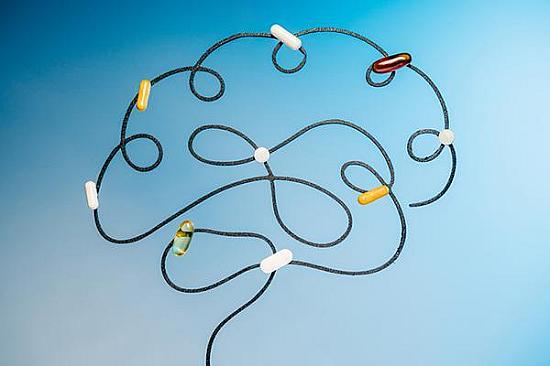
Nootropics (or “smart drugs”) have exploded in popularity—ranging from classic caffeine to newer compounds like L-theanine, Lion’s Mane, and Bacopa Monnieri.
Quality control: Experts warn not all supplements are backed by science. Only buy from reputable brands, and consult your doctor, especially if you have health conditions or take medications.
Natural over synthetic: Many users prefer “food as medicine,” focusing on brain-boosting diets over pills.
Digital Detox: Clearing Cognitive Clutter
Attention is currency: In 2025, “digital declutter” is as trendy as a juice cleanse.
Tech-free hours: People schedule “phone sabbaths,” device-free dinners, and even “no-scroll mornings” to let the brain reset.
App design: The best apps support brain health with gentle reminders, calming visuals, and “focus modes.”
Mental Health and Emotional Resilience
Brain health isn’t just about IQ or memory—it’s also about stress, mood, and relationships.
Therapy and coaching: More people are seeking out mental fitness support for resilience, not just crisis.
Breathwork and mindfulness: Practices like meditation, gratitude journaling, and breathing exercises reduce anxiety and boost neural connectivity.
Social ties: Regular connection with friends, family, and community strengthens the brain and can lower risk of dementia and depression.
Barriers—and How People Overcome Them
“I don’t have time.”
Micro-habits work: five-minute brain games, 10-minute walks, or simply eating a mindful snack.
“It’s too expensive.”
Libraries, YouTube, and free apps offer thousands of evidence-based brain workouts at zero cost.
“I’m not a brain scientist.”
Simple daily routines—moving, eating well, sleeping, and socializing—do most of the heavy lifting.
The Future of Brain Health
Personalized brain plans: Wearables and AI now recommend custom brain fitness programs based on your data.
Community brain health: Public health campaigns run “Memory Mondays,” neighborhood walking groups, and brain-healthy food drives.
Integration with medicine: Doctors routinely screen for cognitive health alongside blood pressure and cholesterol.
Intergenerational learning: Kids and elders teach each other games, songs, and skills, boosting mental fitness for all.
How to Start Your Own Brain Health Routine
Move daily: Take a brisk walk, dance, or try a coordination activity.
Eat brain foods: Add an extra serving of leafy greens or berries to your meals.
Prioritize sleep: Create a calming bedtime ritual and stick to a regular schedule.
Try a brain game or puzzle: Sudoku, crosswords, or a memory app.
Connect: Call a friend, join a club, or volunteer in your community.
Learn something new: A language, instrument, or even a new recipe.
Conclusion
The brain health boom isn’t a passing trend—it’s a profound shift in how we approach life, work, and aging. By caring for your mind as diligently as your body, you can unlock more energy, clarity, and connection in every day.
In 2025, brain fitness is everyone’s business. The best time to start? Right now—one thought, one step, one connection at a time.
Resources:
Alzheimer’s Association Brain Health Hub
Greater Good Science Center – science-based tips
“The Brain That Changes Itself” by Norman Doidge
Lumosity – brain games
Headspace – mindfulness and meditation
link





:max_bytes(150000):strip_icc()/GettyImages-1644727881-73ef3c9679a6447faafc74eb0ff22f1e.jpg "6 Fish That Offer the Most Benefits for Your Heart and Brain")
+ There are no comments
Add yours