

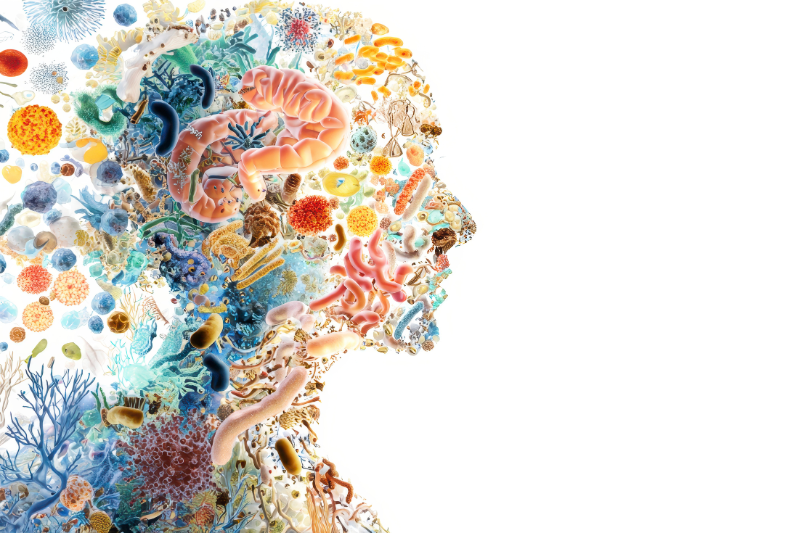
Did you know that your gut and brain are directly connected? This link exists because the digestive system and central nervous system communicate through the vagus nerve, which transmits sensory information through its nerve fibers. Known as the “gut-brain axis” the gut sends signals to those nerves which can influence mood, emotions, stress levels, and, more severely, cognitive functioning.
Research suggests that an unhealthy gut can negatively impact brain function, leading to cognitive issues such as memory loss, difficulty concentrating, and slower processing speed. Cognitive diseases are on the rise — in 2024, 6.9 million people aged 65 and older were diagnosed with Alzheimer’s disease.
One simple yet powerful step in reducing the risk for cognitive diseases is improving our diet. Making healthier food choices can support both gut and brain health, helping to protect cognitive function for years to come. Two popular diets known for their role in preventing cognitive decline are the Mediterranean diet and the Mediterranean-DASH Intervention for Neurodegenerative Delay (MIND) diet. Both emphasize low-fat, nutrient-rich foods, particularly B-vitamins and iron. Research suggests that consuming more green leafy vegetables is associated with fewer signs of Alzheimer’s-related brain pathology. These diets encourage eating fish weekly and incorporating healthy fats, whole grains, and plenty of fruits and vegetables – especially blueberries and leafy greens – to your diet, as they are particularly beneficial for brain health.
I recently had the opportunity to discuss the Mediterranean Diet and its benefits for seniors in honor of Heart Health Month. A well-balanced diet plays a vital role in overall well-being, particularly in supporting heart and brain health. In the image, I’ve included a delicious Mediterranean-inspired recipe: a Mediterranean turkey bowl that I prepared during my program at the senior center. This dish is packed with lean protein, which is essential for brain structure and function, colorful vegetables rich in antioxidants, and healthy fats that support cognitive health and reduce inflammation.
Need a break? Play the USA TODAY Daily Crossword Puzzle.
If you’re interested in learning more about brain-health-focused diets, check out the NC Cooperative Extension Mediterranean program at medinsteadofmeds.com.
Bella Reed is an intern at the NC Cooperative Extension Center for New Hanover County, which is located at the arboretum, 6206 Oleander Drive, Wilmington. The gardens are free and open daily 8 a.m.-5 p.m. Reach her at [email protected] or 910-798-7660.
link

:max_bytes(150000):strip_icc()/GettyImages-1644727881-73ef3c9679a6447faafc74eb0ff22f1e.jpg "6 Fish That Offer the Most Benefits for Your Heart and Brain")




:max_bytes(150000):strip_icc()/GettyImages-1716836688-e6e6e93f77854e1bb1b43a0085c1871a.jpg "16 Supplements to Take for Better Brain Health")


+ There are no comments
Add yours