
| IN A NUTSHELL |
|
The COVID-19 pandemic has left an indelible mark on our society, not just in terms of health and economics, but also in how it has affected our mental well-being. A recent study from the UK highlights a startling phenomenon: the pandemic has accelerated brain aging, even in individuals who never contracted the virus. This finding challenges our understanding of how global crises can impact our psychological and physical health. It suggests that the stress and isolation experienced during the pandemic have lasting effects on our brains.
The Global Experiment: Understanding Pandemic-Induced Stress
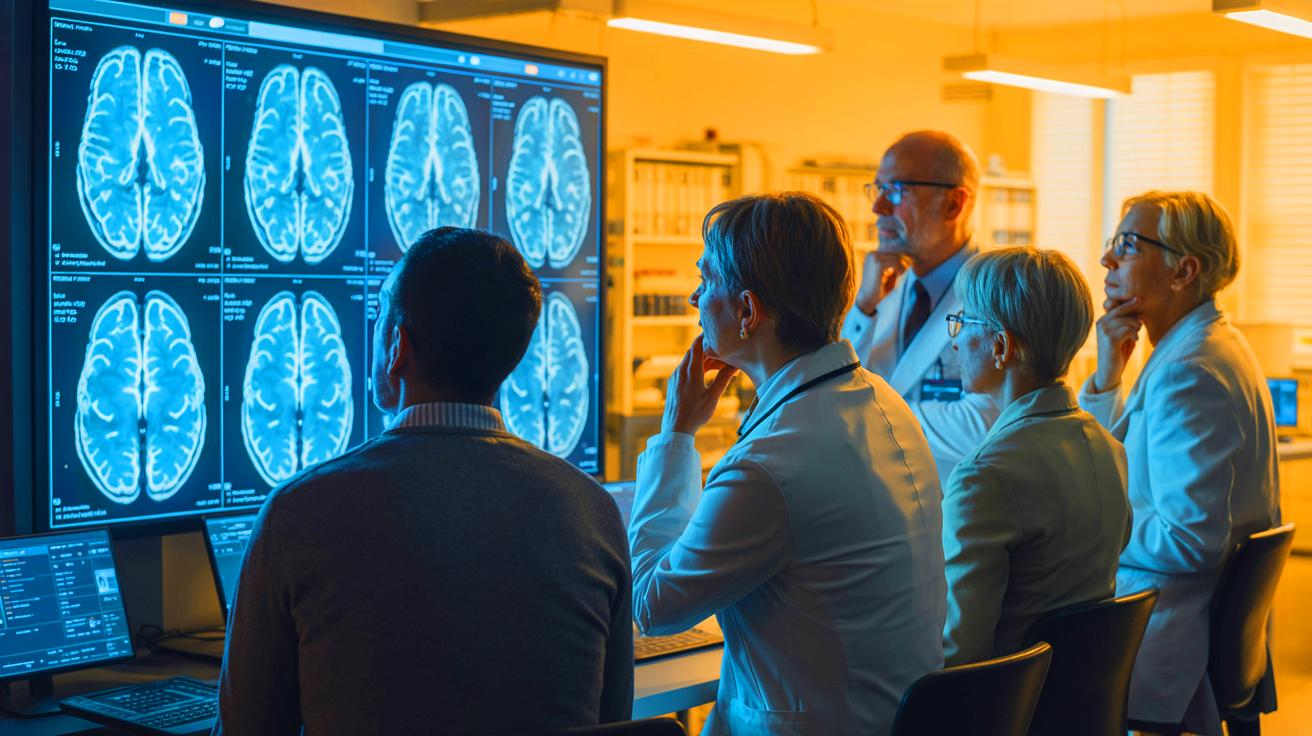
The COVID-19 pandemic provided an unparalleled opportunity for scientists to observe the effects of collective stress on human health. Dr. Ali-Reza Mohammadi-Nejad and his team at the University of Nottingham conducted an extensive study to analyze this phenomenon. They used advanced artificial intelligence algorithms trained on a dataset of over 15,000 healthy participants from the UK Biobank.
The research focused on brain scans of 996 individuals, divided into two groups. The control group consisted of 564 individuals who had two brain scans before the pandemic, while the experimental group included 432 participants who had scans before and after the pandemic onset. This unique setup allowed researchers to compare brain changes over time related to the pandemic’s stress.
The findings revealed significant structural changes in the brains of those in the pandemic-experienced group, highlighting the profound impact of global stressors on neurological health. This large-scale natural experiment has opened a window into understanding how collective stress can manifest physically in our bodies.
Measurable and Concerning Brain Changes
The study, published in Nature Communications, found notable structural changes in the brains of pandemic-affected individuals. Researchers observed variations in gray and white matter volumes, recognized indicators of brain aging. Surprisingly, even those who never contracted COVID-19 showed signs of accelerated brain aging, indicating that the virus is not the sole factor at play.
“They Didn’t Even Open My Chest”: Revolutionary Robotic Neck Surgery Replaces Heart Valve and Shocks Medical World
This suggests that the social upheaval, forced isolation, and chronic stress of 2020 were enough to physically alter our brains. Participants with a history of COVID-19 infection showed additional cognitive processing speed declines, highlighting the virus’s direct neurological impact. However, the study emphasizes that the broader pandemic context also played a significant role in affecting mental health.
The pandemic’s societal disruptions have left an indelible mark on our neurological health, beyond the virus itself.
Moderate but Significant Effects
While the findings are concerning, they must be contextualized within scientific parameters. Professor Masud Husain from the University of Oxford provides a measured perspective. The average brain age difference observed was less than five months, a statistically significant yet modest change over a lifetime.
The cognitive performance differences were mainly limited to mental processing speed tests, without significantly affecting overall intellectual capabilities. This nuance raises crucial questions about the real-world impact on the daily lives of affected individuals. The researchers themselves acknowledge the need for cautious interpretation of these data.
Discover the Top Nutrient-Rich Foods that Can Assist in Your Weight Loss Journey
Understanding the nuanced effects of pandemic-related stress on brain health is essential for developing appropriate societal responses.
The Hope for Reversibility
Despite these findings, there is a silver lining. Professor Dorothee Auer, the study’s lead author, emphasizes that these brain changes may not be permanent. The concept of neuroplasticity, the brain’s ability to reorganize and repair itself, offers hope for reversing the observed damage.
This optimistic perspective is based on our growing understanding of brain resilience. The human brain possesses an extraordinary capacity for adaptation, especially when stress conditions decrease, and the environment becomes more supportive.
The brain’s remarkable ability to adapt offers hope for recovery in post-pandemic life.
The potential for brain recovery underscores the importance of fostering environments that support mental health as society moves forward.
Beyond COVID: A Broader Implication
This study highlights a phenomenon that extends beyond viral infection. It demonstrates how global crises can unpredictably impact our health beyond direct health effects. Collective stress, economic uncertainty, and social isolation are significant neurological risk factors.
The implications of this research extend beyond the current pandemic. They prepare us to better understand and anticipate future crises’ effects on brain health. This knowledge could guide public health policies towards more holistic approaches, integrating neurological protection into emergency management strategies.
As we navigate the aftermath of the pandemic, the lessons learned from this study emphasize the importance of developing collective resilience strategies. Understanding that societal disruptions can physically affect our brains allows us to consider more effective preventive interventions. How can we integrate these insights into future public health strategies to enhance both psychological and neurological well-being?
This article is based on verified sources and supported by editorial technologies.
Did you like it? 4.4/5 (21)
link








:max_bytes(150000):strip_icc()/GettyImages-1644727881-73ef3c9679a6447faafc74eb0ff22f1e.jpg "6 Fish That Offer the Most Benefits for Your Heart and Brain")
+ There are no comments
Add yours