
:max_bytes(150000):strip_icc()/Health-GettyImages-1354828363-834eebb4a7744fd18bab73edc094c1ef.jpg "Supplements for Memory: 9 That Reduce Forgetfulness")
Memory-boosting supplements may help improve your brain function and delay memory loss. Omega-3 fatty acids and vitamin D are among those with potential benefits.
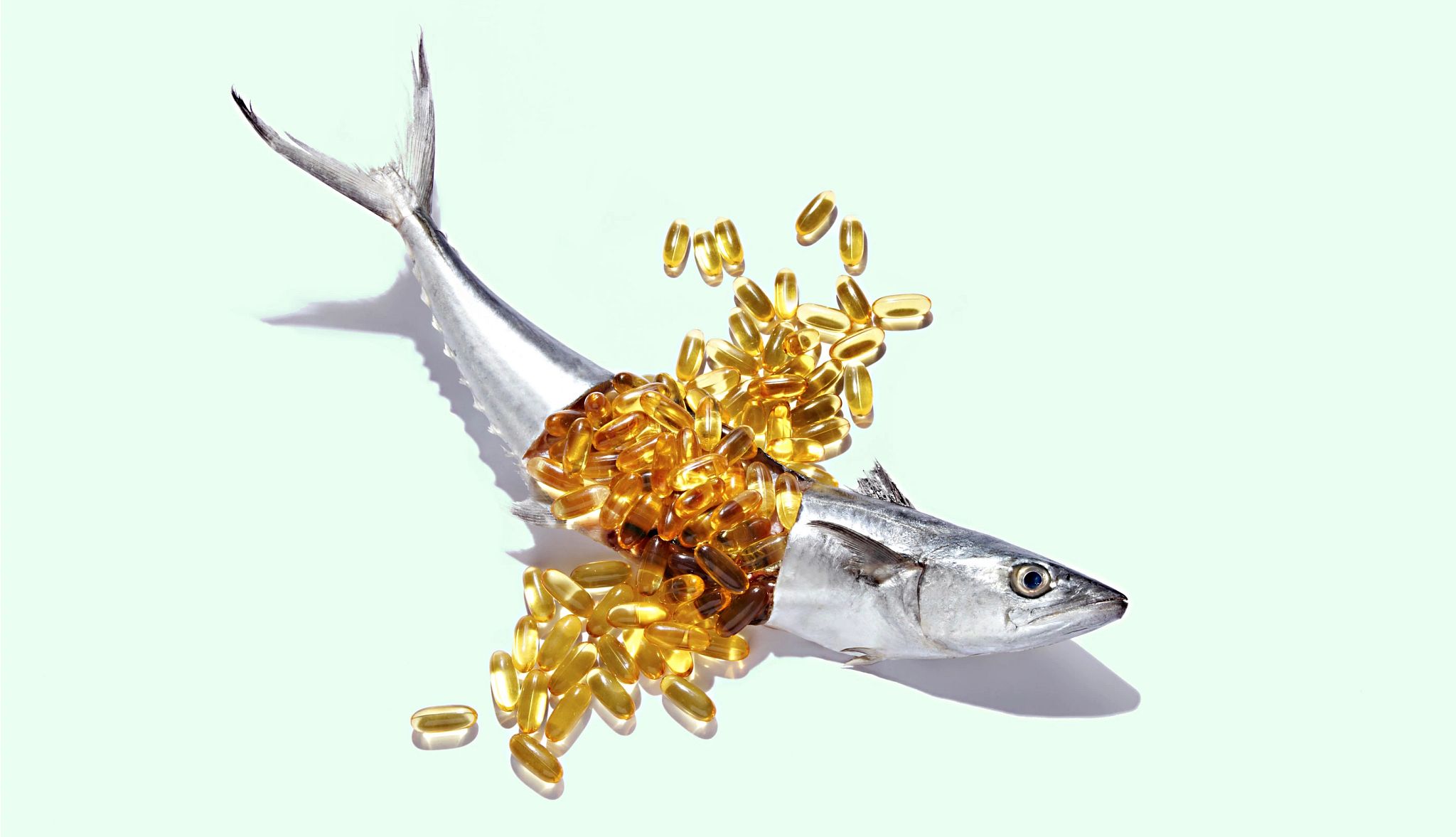
Omega-3 fatty acids are found naturally in fatty fish like salmon, as well as nuts and seeds, and are available in supplement form.
Omega-3 fatty acids are important components of the human brain and are necessary for proper brain growth. Docosahexaenoic acid (DHA) and eicosapentaenoic acid (EPA) are two common omega-3 fatty acids.
Older, healthy people who take omega-3 fatty acids tend to have better memory and processing speeds than those who don’t.
Omega-3 is generally considered safe. You may experience side effects like diarrhea, indigestion, gas, and joint stiffness.
The United States Food and Drug Administration (FDA) suggests consuming no more than 2 grams of omega-3s in supplement form daily.
Vitamin B supplements—especially B1, B2, B6, and B12—may help improve brain health and slow memory loss.
Not getting enough B vitamins may have negative effects on your brain health. One study found that vitamin B12 deficiency can make it harder to think clearly and remember things.
Excess vitamin B supplementation can lead to unwanted side effects like flushed skin, vomiting, or liver damage.
Taking vitamin B6 in higher doses (greater than 200 milligrams a day) has been associated with neurological side effects. You may have muscle weakness, sensitivity to touch, and numbness or tingling in the hands, feet, and other body parts.
Vitamin D may be involved in brain health. People who take vitamin D may have a 40% decreased risk of developing memory problems like dementia. More studies are needed to confirm this association.
Although there are no universally recommended dosages for vitamin D in boosting memory, dosages of 2,000 international units daily may help improve memory.
Vitamin D supplements are generally safe. However, very high levels in your blood (greater than 150 nanograms per milliliter) may lead to muscle weakness, nausea, vomiting, dehydration, and kidney stones.
Ginkgo biloba is a popular herbal supplement that contains antioxidants that may help improve memory, blood flow, and mood.
It may help prevent memory loss in people with neurodegenerative diseases like Alzheimer’s and other forms of dementia.
Clinical trials studying ginkgo biloba’s effects on memory often use doses of 120-240 milligrams. Ginkgo biloba is generally safe and well-tolerated at these levels. You may have mild side effects like headache, constipation, and dizziness.
Higher doses (over 240 milligrams daily) may cause serious side effects like bleeding and seizures. The risk of interactions with other medications is also greater when you use ginkgo biloba at higher dosages.
Curcumin, a chemical compound found in turmeric, may help improve memory and overall brain health in older adults without dementia.
Curcumin’s effect on memory is noticeable in as little as four weeks.
Curcumin doesn’t have a specific recommended dosage. Benefits have been seen in daily doses as low as 80 milligrams, depending on the stage of memory decline.
Curcumin is generally safe. It may cause side effects like nausea, headache, rash, yellow stool, rash, diarrhea, and stomach ulcers with doses greater than 300 milligrams or for a long period.
Ashwagandha is a popular supplement for stress management. It might also help improve short-term and working memory, such as remembering a phone number while dialing it or a person’s name after being introduced.
The ashwagandha dosage used to improve memory ranges from 225-600 milligrams, depending on the study.
In most studies, participants tolerated ashwagandha well for up to three months. Not enough studies have shown its safety beyond this period.
Some side effects include stomach upset, loose stools, nausea, and drowsiness.
Lion’s mane is a mushroom that contains bioactive compounds with antioxidants and anti-inflammatory functions that may improve brain health and mood.
Supplementing with it could positively affect learning and processing speeds and memory in healthy adults. Lion’s mane may also help with symptoms of Alzheimer’s disease, including memory loss.
Most research that ties lion’s mane to decreased memory loss was conducted on animals. More human studies are needed.
There’s no standard recommended dosage for lion’s mane mushrooms. Human studies have used doses ranging from 3-5 grams daily for about three months to a year to boost memory and brain health.
Lion’s mane is generally well tolerated. Possible side effects include stomach upset, nausea, and skin rash.
Phosphatidylserine is an ingredient commonly found in memory-boosting supplements, either alone or in combination with other ingredients.
Phosphatidylserine, in doses ranging from 200-800 milligrams per day, mau improve memory and recall of long- and short-term information.
Phosphatidylserine may slow down age-related memory loss and protect the nerves in the brain. People with dementia or mild cognitive impairment may not see the same benefits.
The safety of phosphatidylserine supplements is not fully established in humans. Some studies suggest they are generally safe.
Possible side effects include insomnia, bleeding, and gas.
Ginseng shows promise for boosting memory and overall brain health.
Older adults who use ginseng for over five years may have improved brain function in later life. Ginseng may also slow down memory loss and lower the risk of it progressing to dementia.
Ginseng supplements are generally safe. There are concerns about their long-term safety. Ginseng has been used safely between 100-3,000 milligrams daily for up to 12 weeks.
Possible side effects include headaches, changes in blood pressure, diarrhea, irritated skin, and vaginal bleeding.
Although supplements for memory may help improve brain health, they are not without risks.
Consider the following before purchasing memory-boosting supplements:
- Safety: The FDA does not regulate supplements the same way it does prescription drugs. Purchase supplements that have been third-party tested. There’s also limited human research on the safety of many supplements associated with boosting memory.
- Interactions with other medications: Supplements for memory may cause interactions with your prescription medications. For example, ginkgo can interact with medications that prevent blood clots, like warfarin and aspirin.
- Side effects: Memory-boosting supplements can have side effects that range from mild to severe. Always consult a pharmacist about the potential side effects of any supplement. Be sure to mention any underlying conditions you have.
Several other strategies can help you boost memory, including cognitive training, diet, and exercise.
Cognitive Training
Cognitive training is brain exercise designed to strengthen or improve memory, attention, and problem-solving.
This training includes exercises that can stimulate the brain, like:
- Brain games: Completing crossword puzzles or riddles
- Learning new skills: Playing a guitar or taking a cooking class
- Computer-based programs: Using interactive programs targeted at specific cognitive functions
Research has shown a potential link between these exercises and improved cognitive function. However, the evidence is inconsistent.
Diet
What you eat can affect your brain health and memory. Low-fat diets that include foods like egg whites, fat-free cheese, chicken, turkey breast, fruits, and vegetables may prevent memory decline.
Focusing on a balanced diet of whole foods has more benefits for brain health than concentrating solely on specific nutrients.
Exercise
Exercise, particularly moderate-intensity exercises like walking, hiking, and skipping, can help improve your memory within as little as six months.
Exercising in a natural, outdoor environment has greater effects on memory and brain functions than exercising indoors.
Mild memory loss can include temporarily forgetting things, names, and dates, or misplacing items.
These symptoms are often age-related and manageable. When memory loss disrupts your daily life, it may be a sign that the condition is worsening.
Reach out to a doctor if you notice any of the following symptoms:
- Difficulty remembering recent events
- Frequently getting lost in familiar places
- Struggling to perform tasks you’ve done for years, such as cooking or using a smartphone
- Feeling confused about time or place
- Having trouble following conversations
- Frequently misplacing items
These symptoms can be early warning signs of dementia, including Alzheimer’s disease. It’s best to seek medical advice for a proper diagnosis and treatment plan.
link






:max_bytes(150000):strip_icc()/What-Happens-to-Your-Brain-When-You-Drink-A-Diet-Soda-Every-Day-3656a7a7704440af8ef3be355b5e77bd.jpg "Does Diet Soda Affect Your Brain? What the Science Says")




:max_bytes(150000):strip_icc()/GettyImages-1644727881-73ef3c9679a6447faafc74eb0ff22f1e.jpg "6 Fish That Offer the Most Benefits for Your Heart and Brain")
+ There are no comments
Add yours