
AFTER reading this article, you will never look at hearing loss the same way again.
When you think about hearing loss, what comes to your mind? Asking people to speak up or repeat themselves? Turning up the volume too high on the television? Having difficulty following conversations?
But what most people don’t realise, said general and vascular neurology specialist Dr Nicholas Maraj, is that hearing loss is not just an ear problem.

LINK TO DEMENTIA: Dr Nicholas Maraj
“It is increasingly recognised as a brain health issue, with serious implications for memory, thinking, mood and long-term cognitive function,” said Maraj.
After all, hearing is a brain process. Think about it: sound waves enter the ear, but the brain interprets those sounds into speech, music, warning signals and meaning. Multiple regions of the brain are involved, including areas responsible for language, attention, memory and executive function, explained the neurologist.
When hearing input is reduced, the brain is forced to work harder just to keep up.
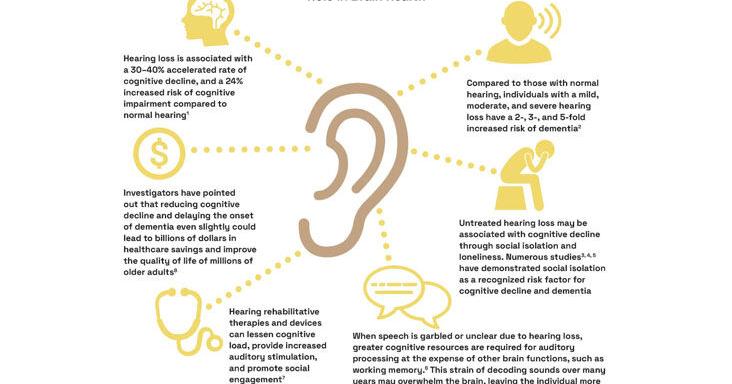
This can result in what Maraj and his fellow colleagues call “increased cognitive load”. When hearing is impaired, the brain must divert more energy towards simply decoding sounds and filling in missing information. This leaves fewer mental resources available for memory, concentration and higher level thinking. Over the years, this constant strain may accelerate cognitive fatigue and decline, he said.
In fact, hearing loss plays an independent role in brain ageing, said Maraj. He pointed to international studies which have consistently shown that untreated hearing loss is one of the strongest modifiable risk factors for cognitive decline and dementia. Mild hearing loss roughly doubles the risk of dementia, moderate hearing loss triples it and severe hearing loss further increases the risk.
But that is just one of the risks; hearing loss also impacts one’s emotional and mental health well-being because it often leads to social isolation. People with hearing loss may withdraw from conversations, avoid social gathering or stop participating in activities they once enjoyed which explains why hearing loss results in depression and low self confidence, said Maraj.
Be aware of noise-induced
hearing loss
Studies involving brain imaging have also shown structural changes associated with hearing loss. Reduced auditory stimulation is linked to shrinkage in the auditory cortex and changes in brain networks involved in language and memory.
“Simply put, the brain areas that are not being stimulated begin to weaken,” said Maraj.
The neurologist is urging the public to be aware of noise-induced hearing loss.
“In T&T, music is a central part of our culture; Carnival fetes, concerts and parties are meant to be enjoyed. This is not about discouraging these experiences. Rather, it is about awareness. Prolonged exposure to very loud speakers, particularly when standing close to them for hours at a time, can quietly and gradually contribute to hearing loss over the years,” said Maraj.
The neurologist added this interesting titbit: unlike many other cells in the body, the delicate hair cells that are damaged from prolonged noise exposure do not regenerate.
He recommends three simple steps to protect one’s hearing: Take short breaks from the speakers, stand a bit farther away or use discreet ear protection at loud events.
Also, look out for the warning signs. If you have difficulty understanding speech in noisy environments, frequently ask people to repeat themselves, are often told that the television is too loud, or you experience mental exhaustion after speaking with people, it may be time to have a hearing assessment.
Additionally, adults over 50 should consider periodic hearing screening even if symptoms seem mild. Early intervention allows the brain to adapt more effectively and may prevent long-term consequences.
From a public health perspective, matters such as healthy ageing and dementia prevention in T&T must include conversations about hearing health, stressed Maraj.
Hearing loss is common and often ignored, but it is highly treatable, he said.
“Addressing it early is not just about better communication, it is about protecting brain health, independence and quality of life,” said Maraj. “In the end, caring for your hearing is caring for your brain. And that is something worth listening to.”
link




:max_bytes(150000):strip_icc()/omega3-5ece9ddb81cb4aa4b930327484dd1413.jpg "The #1 Mood-Boosting Nutrient Dietitians Want Everyone to Eat More of This Winter")



:max_bytes(150000):strip_icc()/GettyImages-1644727881-73ef3c9679a6447faafc74eb0ff22f1e.jpg "6 Fish That Offer the Most Benefits for Your Heart and Brain")
+ There are no comments
Add yours